Art Direction / Set Dressing
Art direction & set dressing for advertising films.
Set Craft shapes the final visual world through furniture, props, colour, surfaces, soft goods, artwork, practicals and small details that make a set or location feel specific, believable and ready for camera.
Where the world becomes believable
Set dressing is not about adding more. It is about choosing what belongs.
Art direction and set dressing translate the broader production-design language into the objects and relationships that actually appear in frame. A worn chair, a stack of papers, the spacing between books, the colour of a curtain or the height of a practical lamp can change how a character, workplace or brand environment reads.
The strongest dressing feels natural enough not to call attention to itself, while still controlling composition, colour, depth and story.
Selected dressing studies
Different environments need different kinds of detail.
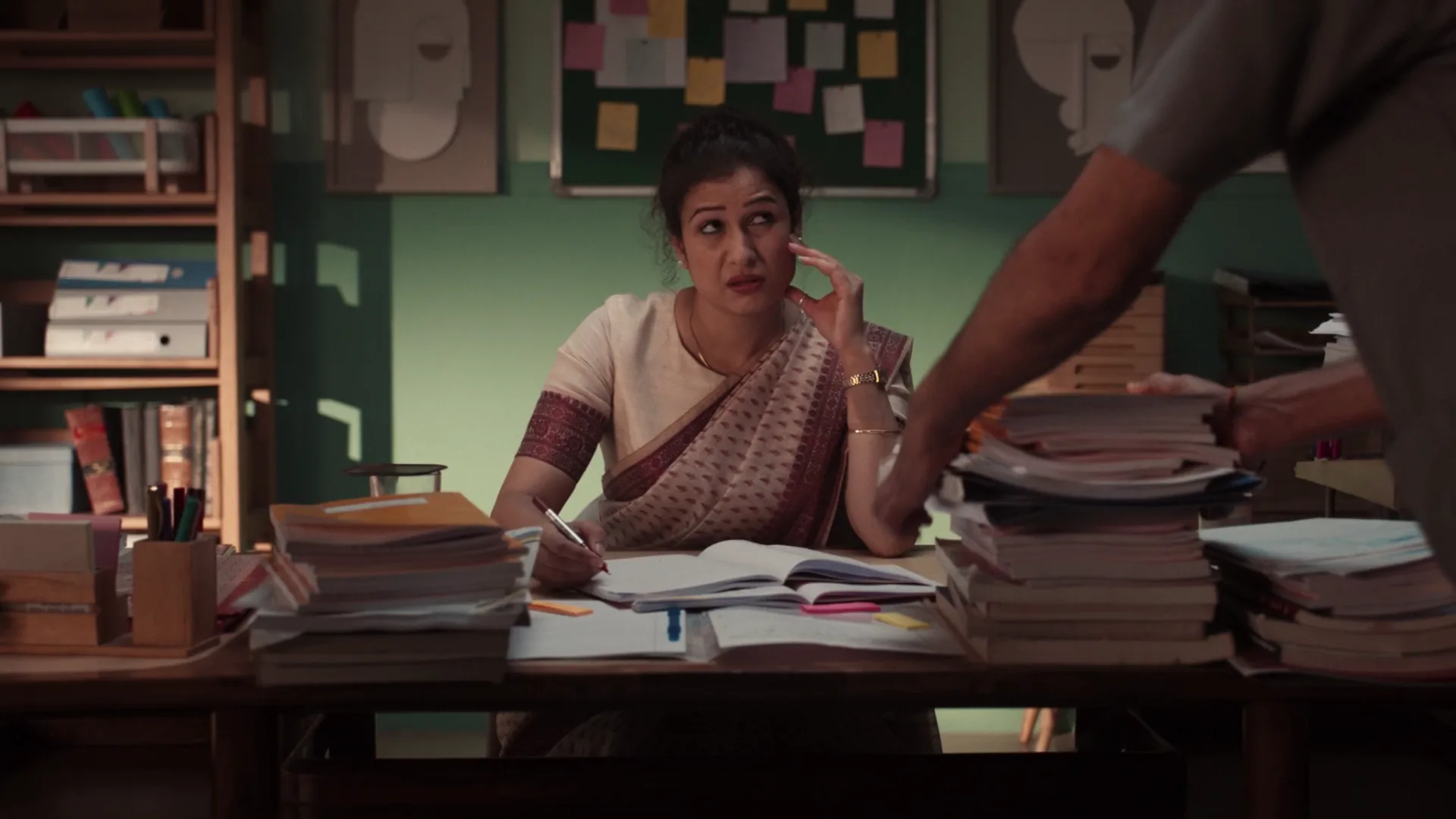
Institutional World
School AI by Coschool
Books, papers, furniture and working clutter build a recognisable staff-room rhythm without becoming visually noisy.
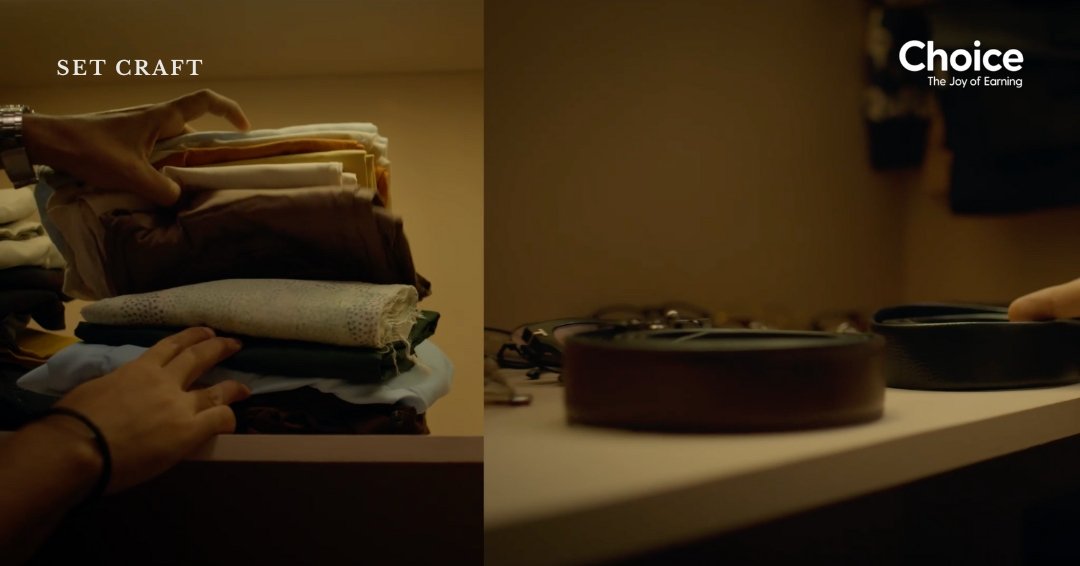
Wardrobe / Prop Logic
Choice FinX
Clothing, accessories and storage elements arranged around character action, framing and visual order.

Commercial Styling Study
Modern Barbershop
Functional objects, tools, finishes and surface relationships used to build a clear commercial identity.
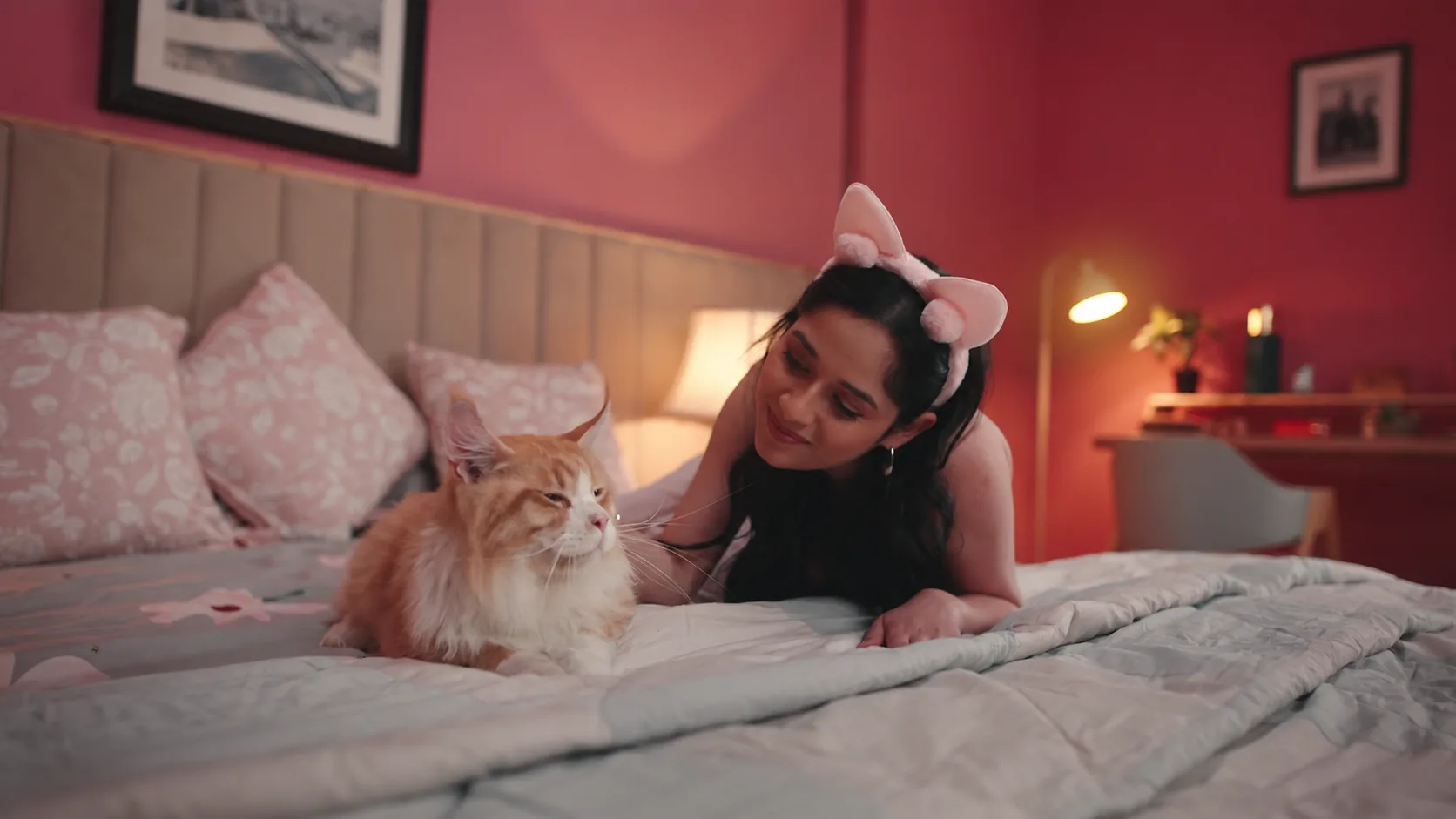
Domestic Detail
Purrfeto
Soft goods, artwork, bedside objects and tonal relationships make the bedroom feel occupied rather than staged.
What we are controlling
Character & story
Objects should reveal who uses the space, what they value, how organised they are and what kind of life is happening there.
Composition & depth
Foreground, midground and background objects help shape depth, eyelines and where attention sits within the frame.
Colour relationships
Set, costume, product and practical elements are balanced so the frame feels intentional without becoming over-coordinated.
Scope of work
What art direction & set dressing can include.
The exact scope depends on whether the environment is a built set, an existing location, or a space already developed by another production designer or agency team.
Furniture & prop direction
Selecting, sourcing, modifying or fabricating objects that support story, character, brand tone and composition.
Location transformation
Editing an existing room through furniture, artwork, soft goods, props, practicals, surface additions and controlled removal.
Surface & soft-goods styling
Curtains, rugs, bedding, cushions, books, accessories, artwork and textile layers that alter colour, texture and depth.
Product & brand integration
Keeping products and brand cues visible and intentional without allowing the environment to feel like a retail display.
Continuity planning
Maintaining prop placement and environmental logic across shot order, takes, resets and multiple shooting days.
Final-frame refinement
Small adjustments around lensing, crop, performance, practical light and composition before the camera rolls.
Choosing the right scope
Art direction, set dressing or full production design?
Use this when the location or set architecture is already decided and the main need is to shape the visual world through objects, furniture, colour and styling.
Use full production design when the spatial concept, visual language, location strategy, architecture or built environment still needs to be developed.
Use a build-focused scope when walls, platforms, facades, scenic elements or custom structures need fabrication and installation.
How the dressing process works
From location or set shell to camera-ready frame.
Read the brief & environment
We identify character, brand, period, social context, product needs and what the set or location already gives us.
Build the object language
Furniture, artwork, props, soft goods, practicals and surface accents are defined around the visual direction.
Source, make & adapt
Items are sourced, hired, fabricated, painted, aged, customised or replaced depending on what the frame needs.
Dress in relation to camera
Placement is refined around lens choice, blocking, product visibility, lighting, negative space and depth.
Maintain continuity
Key prop positions, practical states and environmental logic are monitored through resets and changing shot order.
For an initial discussion
What should you send?
Location photographs / recce video
Approved production-design or agency references
Products or hero props that must appear
Number of dressed environments
Shoot and prep dates
Existing furniture / props that can be retained
Indicative art-department budget
Common questions
Art direction & set dressing FAQs
Can you dress an existing location without rebuilding it?
Yes. Many projects only need focused intervention through furniture, props, artwork, textiles, practicals and selective surface changes rather than structural work.
Do you source props and furniture?
Yes. Depending on the project, items can be hired, bought, fabricated, adapted or pulled from existing inventories. The method is chosen around visual fit, budget and lead time.
Is set dressing included in production design?
It can be. On a full production-design scope, dressing is usually part of the wider environment strategy. It can also be commissioned separately when the spatial design is already locked.
Do you provide shoot-day art-department support?
Yes, where agreed in the scope. This can include resets, continuity, prop adjustments and final-frame changes requested during filming.
What affects the set-dressing budget?
The number of environments, quantity and type of props, furniture sourcing, custom fabrication, transport, prep time, shoot duration and whether items can be returned or reused all affect cost.
Mumbai based / Projects across India
Need a location or set dressed for camera?
Send the script, location photographs, target dates, approved references and what already exists. We can define a focused art-direction and dressing scope around the production.